Lab-Grown vs. Natural Diamonds: Differences Explained
The main difference is origin
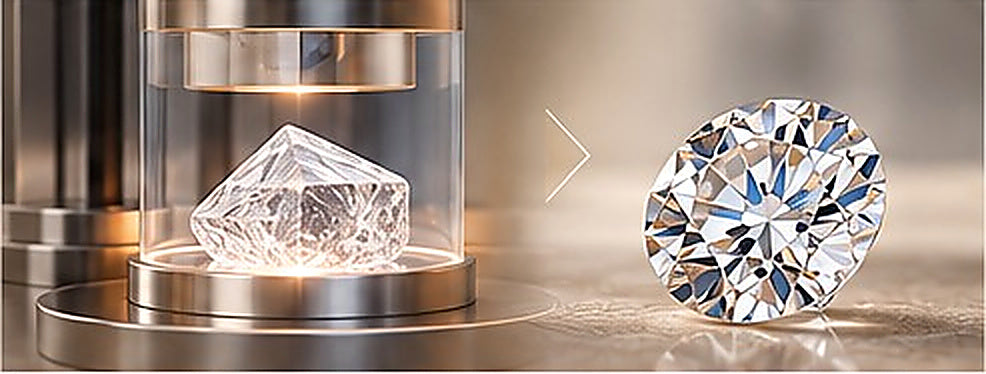
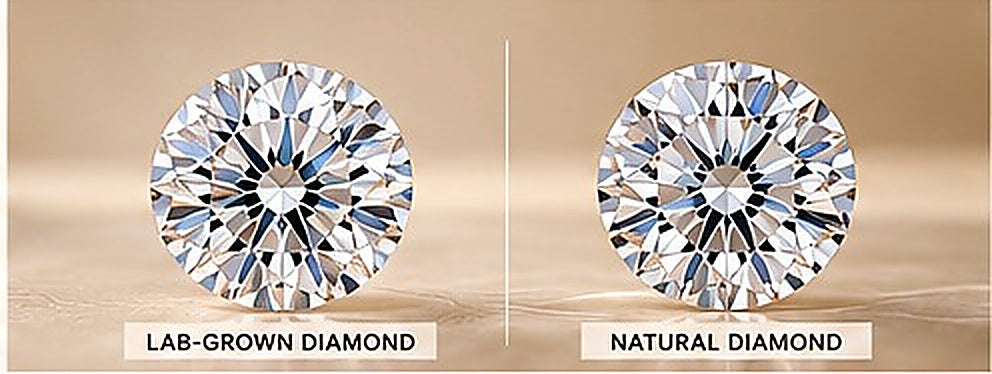
Natural diamonds form in the Earth over long periods; lab-grown diamonds are produced in controlled facilities using methods such as HPHT or CVD. Both are diamond and share the same fundamental crystal structure and very similar physical and optical properties. They differ from simulants such as cubic zirconia and moissanite.
Appearance and quality
Both can show excellent sparkle. Appearance depends on cut quality, proportions, color, clarity, shape, and lighting. A lab-grown diamond is not automatically better or worse; compare the individual stones and their grading information.
Price and resale
Lab-grown diamonds commonly have lower retail prices than comparable natural diamonds, but pricing varies with size, quality, shape, supply, and market conditions. Resale offers may be much lower than retail prices and can change. Neither type is a guaranteed investment.
Which should you choose?
- Lab-grown: consider it if you want diamond jewelry and prefer to allocate more budget to size, design, or setting.
- Natural: consider it if natural geological origin matters to you and fits your budget.
- Either type: compare cut, measurements, grading, setting quality, seller policies, and total cost.
Look for clear origin disclosure and a grading report for the specific diamond. Choose according to your preferences and intended use, not an assumption that either type will appreciate in value.