What Are Lab-Grown Diamonds? A Complete Guide
What is a lab-grown diamond?
A lab-grown diamond is a real diamond created in a controlled laboratory rather than formed naturally underground. It has essentially the same crystal structure and physical and optical properties as a natural diamond. It is not the same material as cubic zirconia or moissanite.
How are they made?
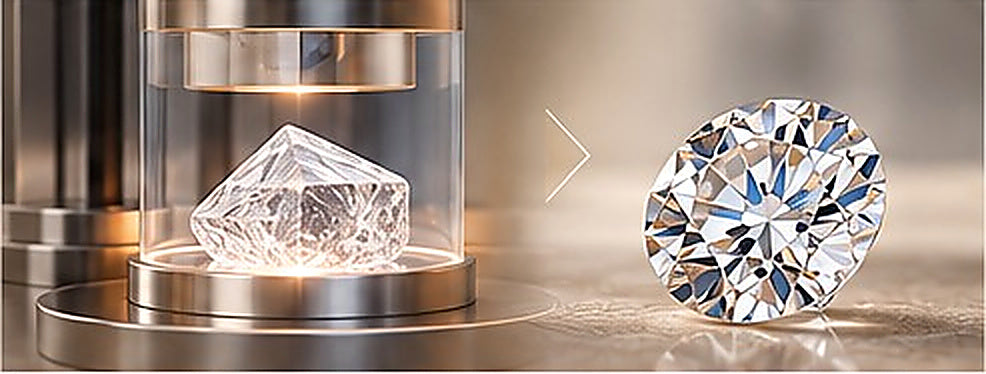
Common methods include High Pressure High Temperature (HPHT), which recreates conditions associated with diamond formation, and Chemical Vapor Deposition (CVD), which grows diamond crystal from a carbon-containing gas. A grading report can identify laboratory-grown origin and describe a diamond's characteristics.
How do they compare with natural diamonds?
The main difference is origin. Both can have excellent sparkle; appearance depends on the individual stone's cut, color, clarity, shape, and proportions. Specialized gemological testing may be needed to distinguish their origin. Prices and resale offers vary over time, and neither type should be assumed to be an investment.
What should buyers compare?
- Cut: influences brightness, fire, and sparkle.
- Color: describes body color.
- Clarity: describes internal and surface features.
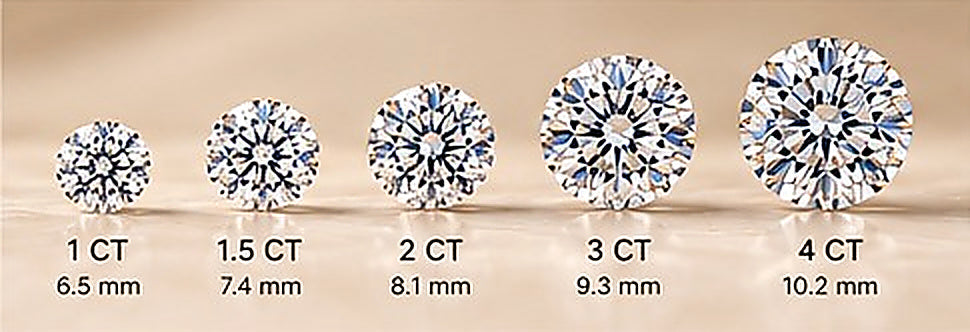
- Carat: measures weight, not exact face-up size.
Compare the grading report and measurements, not carat weight alone. LA FINDINGS offers selected lab-grown diamond jewelry in 14K yellow, white, and rose gold, with selected styles available in 1–4 carat options. Confirm specifications and certification on each listing.